
Quick Answer: The seller had purchased the home just six months ago for $320,000 and made no improvements. She wanted to list $15,000 above that price, but the market didn't support it. Diane told the truth and lost the listing. Pricing honesty matters, even when it costs you the client.
What happens when a seller insists on listing above market value?
A seller who insists on listing above market value is asking their agent to deliver a number the market won't confirm. The result is almost always the same. The home sits longer on market. Price reductions don't restore momentum. The final sale price is lower than if the home had been priced right from the start. The conversation needs to happen before the listing goes live, not after it sits.
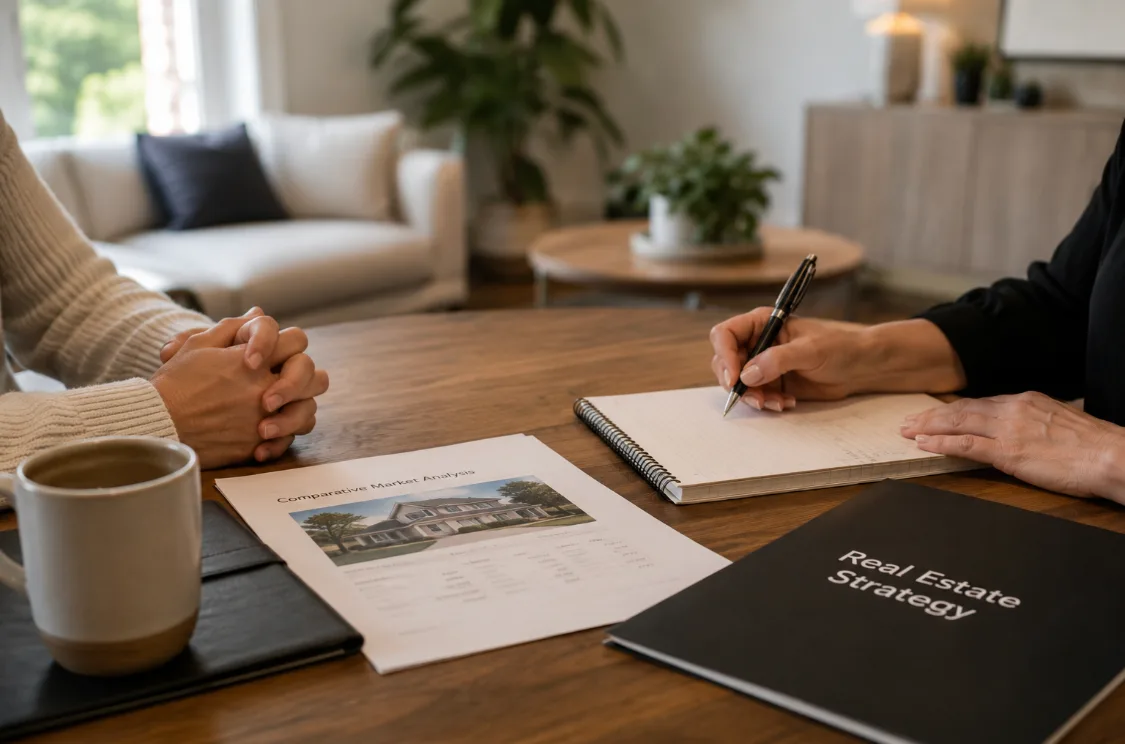
Here is how that played out at a recent listing appointment. The seller had only owned the home for six months and hadn't made any improvements. The home was already in good shape. She wanted to list it for $15,000 more than she paid for it. The February purchase price was $320,000, and there was nothing to justify a higher number.
This is where the conversation gets honest. "When I was delivering babies and someone had a birth plan, I always told them, 'As long as it doesn't hurt you or the baby, you can do anything you want, but my job is to protect you and your baby.' In this case, my job is to protect your biggest asset." Diane offered to start at $330,000, but told the seller directly: "I do not think that's in your best interest because I think it will hurt you to have to come down in price. The fact that it sold in February for 320, it's going to be hard to justify a higher price than that without having done any kind of remodeling."
The seller chose a different agent. But the answer was the right one.
Why does overpricing hurt more than underpricing?
Homes that launch above market value sit longer. Every week on market signals something is wrong to potential buyers. They see the days ticking and assume either the property has issues or the seller is unreasonable. The result is weaker offers, not stronger ones.
She wanted to list it for $15,000 more than the $320,000 she paid just six months earlier, with no improvements to justify the gap.
Homes priced above market sit longer and sell for less.
Once a listing goes stale, price cuts don't fix the perception. Buyers who missed the original launch see the reduction and wonder what else is wrong. They offer less than the new price, not more. The seller ends up selling for less. That is less than they would have gotten if the home had been priced right from day one.
Overpricing signals something is wrong. A home that sits longer generates weaker offers. Price cuts rarely restore the momentum you had at launch.
Diane's observation: "I didn't get the listing, but it was the right thing to do." That's the philosophy behind pricing honestly. It's not about being agreeable. It's about protecting the seller's outcome.
What does the data show about pricing strategy?
In the current NE Houston market, homes priced correctly from launch sell closer to asking price. Overpriced homes that sit require reductions and sell for less. According to Diane's MLS data pull on August 17, 2026, the median list-to-sale price ratio across Kingwood, Humble, and Porter is 98.4%. The data comes from Diane Hibbs' MLS data pull via HAR MLS, August 17, 2026. That means homes priced right are selling for nearly full asking price. Homes priced above market aren't getting that number.
The lesson is straightforward. A $320,000 purchase price with no improvements means the home's value hasn't changed. Listing it at $335,000 creates a gap between the number and reality. That gap costs the seller in carrying costs and time. It leads to a lower final sale price. That is lower than they would have gotten at or just above the $320,000 mark.
How do you know what your home is actually worth?
An online estimate won't tell you. Neither will what your neighbor sold for last year. Your home's value is determined by recent comparable sales, current market conditions, and the condition of the property. A proper valuation takes all three into account.
Diane helps sellers see the full picture before they make a pricing decision. That includes understanding what buyers in your area are actually paying, not just what they're listed for. "I am willing to start at 330, but I have to tell you I do not think that's in your best interest because I think it will hurt you to have to come down in price."
If you want to know what your home is really worth, start with a proper valuation. It compares your home against recent sales and current conditions. That is the first step toward a pricing strategy that protects your asset.
By the Numbers
$320,000
The purchase price of the home, six months before the listing appointment
$15,000
The amount the seller wanted to list above purchase price, with no improvements
$335,000
The price the seller wanted to list at, which the market didn't support
98.4%
Median list-to-sale price ratio in the NE Houston area (Diane Hibbs, MLS data pull, HAR MLS, August 17, 2026), showing what correctly priced homes actually sell for
6 months
The gap between when the home was bought and when the seller wanted to list it again
The Bottom Line
Pricing a home correctly from day one isn't about being conservative. It's about being strategic. The seller who prices right gets more buyer interest, stronger offers, and a smoother closing. The seller who prices high gets months on market and repeated reductions. The final number is lower than if they'd started at the right price. The right agent tells you the truth about price. Even when it's not what you want to hear.
Frequently Asked Questions
Can I price my home above what it sold for if I haven't made improvements?
It depends on the market and the timing, but generally, yes, you can try. However, the data shows that homes priced significantly above recent comparable sales tend to sit longer and ultimately sell for less than homes priced at or near market value from the start.
What happens if my home doesn't sell at my asking price?
If your home doesn't sell, you have a few options: reduce the price, take it off the market temporarily, or wait for market conditions to change. Each option has costs, and the longer a home sits on the market, the more it costs you in carrying expenses and lost buyer interest.
How do I know if my agent is pricing my home correctly?
A good agent will show you comparable sales in your area, explain what buyers are actually paying, and give you a realistic range for what your home can sell for. They'll also tell you when your desired price doesn't match the market, even if it's uncomfortable.
Sources: Diane Hibbs, MLS data pull, HAR MLS, August 17, 2026: Median list-to-sale price ratio for the NE Houston area
Authority Bio: Diane Hibbs, Strategic Real Estate Advisor, eXp Realty. License #813481. 918-688-1428. dianehibbs411@gmail.com. Book a free 15-minute consultation.